 11 minutes
💥 Bitcoin swings on Iran strikes
The price of Bitcoin has partially recovered following a bout of acute geopolitical turmoil. After reports emerged of the death of Iran's Supreme Leader Ayatollah Ali Khamenei in US and Israeli airstrikes, BTC briefly surged to around $68,200 — recouping its earlier decline to $63,000 in under 24 hours.
The news triggered a sharp market reaction. Around 157,000 leveraged positions were liquidated, totaling approximately $657 million. Prices subsequently settled back near last Friday's level of around $67,000, though Bitcoin remains stuck in a sideways consolidation that has now persisted for several weeks.
Meanwhile, speculation about possible manipulation of the Bitcoin market has drawn renewed attention. A theory circulating on social media alleges that quantitative trading firm Jane Street has routinely applied downward pressure on Bitcoin prices through algorithmic selling. The claim is tied to a lawsuit filed by the TerraLuna insolvency administrator, which implicates the trading firm in alleged insider trading and market-distorting strategies.
Not everyone is convinced by theory, however. Data suggests that the supposed daily "10 a.m. dump" lacks statistical consistency and tends to align with broader movements in risk assets. Market observers also note that no single player would realistically be capable of sustaining control over a market as large and global as Bitcoin's.
The broader environment remains under strain. Bitcoin shed roughly 15% in February and is on track for one of its weakest first quarters in years, with geopolitical risks, liquidity conditions, and institutional capital flows all weighing on price direction.
Last week's events underscore two defining characteristics of the Bitcoin market. First, the fact that is it trading 24/7 enables an immediate response to geopolitical events — far faster than traditional financial markets. Second, the debate over alleged manipulation reveals how readily narratives take hold when prices fall. In a global market handling billions in daily volume, structural factors — liquidity, the macro environment, capital flows — tend to carry far more weight than any individual actor.
👷 Ethereum's biggest overhaul yet
Ethereum is navigating a set of sweeping technical changes. According to its co-founder Vitalik Buterin, so-called smart accounts — a central component of the long-anticipated account abstraction upgrade — could be live within a year as part of the upcoming Hegota upgrade.
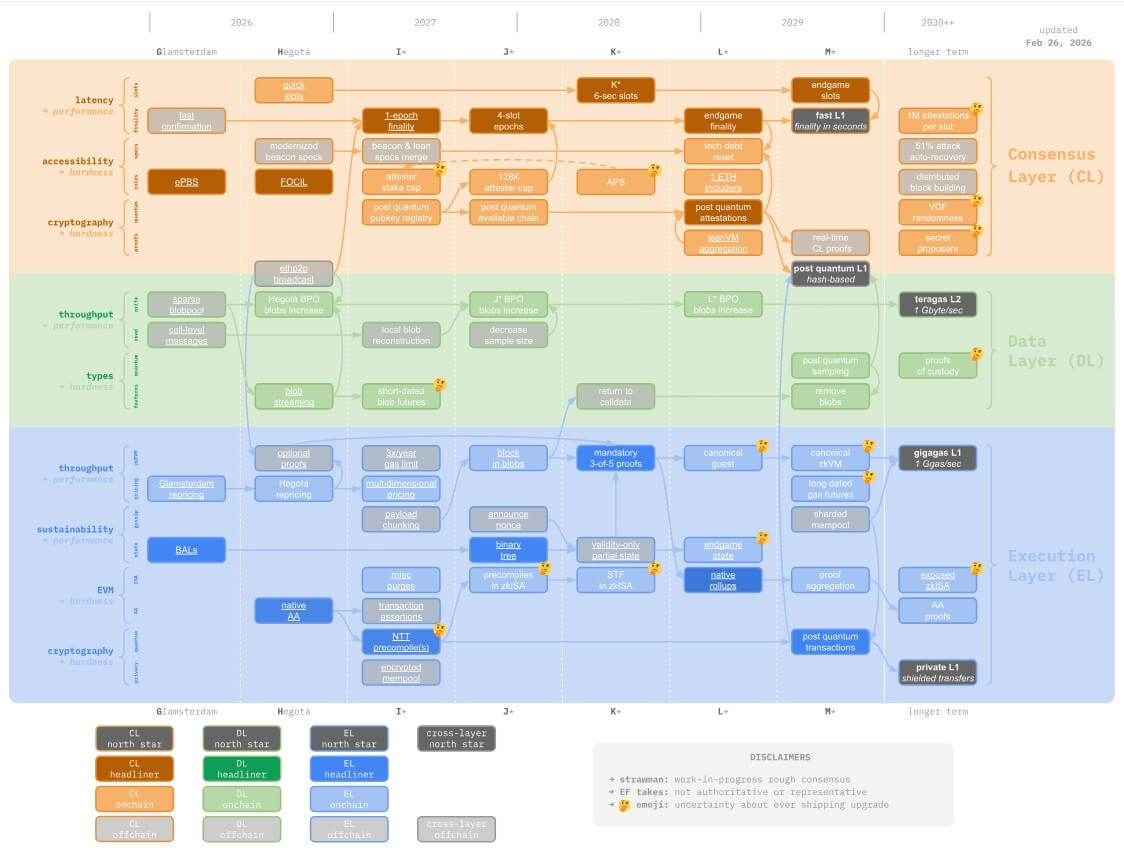
The concept behind smart accounts is to make Ethereum wallets substantially more programmable. Under the new model, transactions could be composed of multiple "frames" that handle signature verification, action execution, and fee payment. This would unlock features such as multi-signature accounts and gas fees sponsored by or paid in alternative tokens, all at the protocol level. Buterin frames this as fundamental to Ethereum's goal of operating with as few intermediaries as possible.
Simultaneously, the network is pursuing long-term security and scalability improvements. In a new roadmap, Buterin outlines several areas slated for migration to post-quantum cryptography — including validator signatures, data storage, and user accounts — designed to protect Ethereum against future attacks from sufficiently powerful quantum computers.
Network speed is also set for a significant uplift. The current block time of approximately 12 seconds could be progressively reduced to as little as two seconds. In parallel, the transaction finality (the threshold at which transactions become irreversible) is targeted to fall from roughly 16 minutes today to just a few seconds.

Despite competition from newer, higher-performance blockchains, Ethereum retains its standing as the platform of choice for institutional participants. The reason is less technical performance than established capital depth: the majority of stablecoins, DeFi liquidity, and tokenized assets remain anchored within the Ethereum ecosystem.
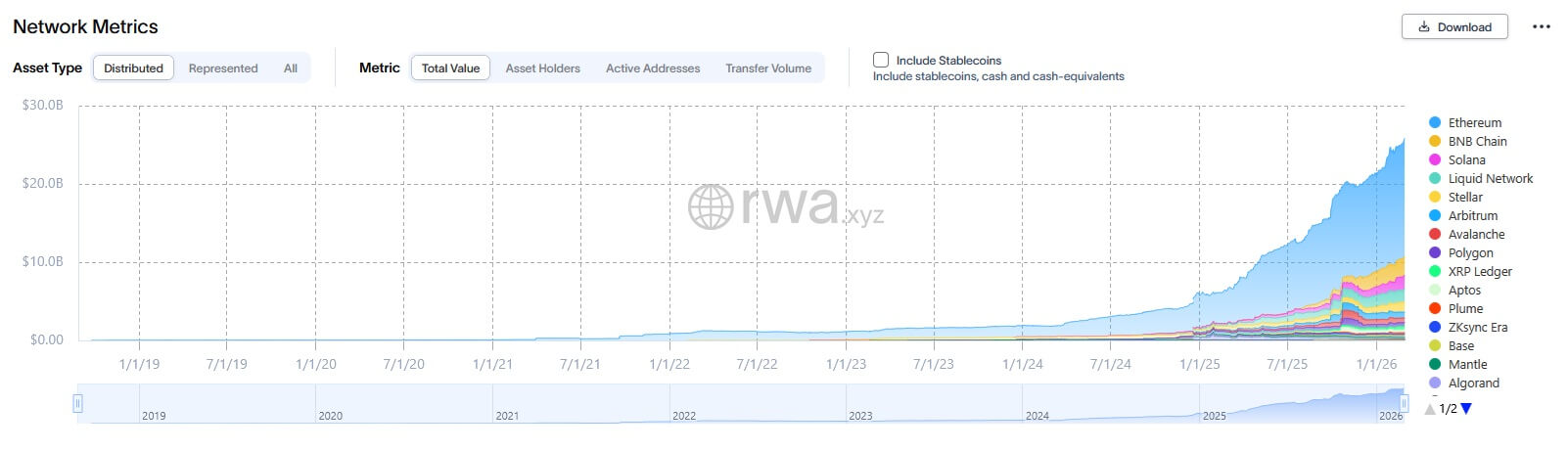
Ethereum is thus tackling two challenges at once: technical scaling and long-term cryptographic security. The combination of account abstraction, faster block times, and quantum-resistant cryptography signals a clear push to position Ethereum as the underlying infrastructure for institutional financial applications. Whether these far-reaching changes can be implemented without introducing new layers of complexity or fragmentation, however, remains an open question.
👔 Stablecoins: mainstream and regulated
Stablecoins are evolving rapidly from a crypto trading instrument into a component of regulated payment and financial market infrastructure. This shift is evident in Circle's latest earnings, new MiCA-compliant issuances across Europe, and issuers' growing role in combating financial crime.

Circle posted revenue of $770 million (+77% year-on-year) and net income of $133.4 million ($0.43 per share) for the fourth quarter of 2025, comfortably beating expectations. Growth was driven by USDC, whose circulation expanded 72% to approximately $75.3 billion. For full-year 2025, Circle reported revenue of $2.7 billion (+64%), alongside a net loss of $70 million attributed primarily to $424 million in stock-based compensation related to its IPO.
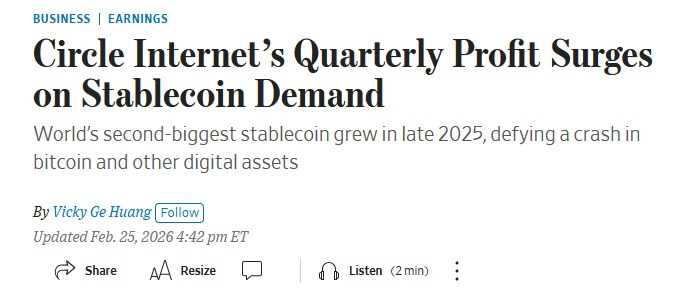
Operating profit, however, still came in at around $157 million. Circle also highlighted continued infrastructure expansion: the Arc platform's testnet now counts more than 100 institutional participants, while the Circle Payments Network has grown to 55 financial institutions.
European activity is also picking up. AllUnity — backed by Deutsche Bank — has launched CHFAU, a new stablecoin pegged 1:1 to the Swiss franc, initially available to institutional and professional users. The token is issued as an ERC-20 on Ethereum, with additional networks planned for 2026. AllUnity cites full MiCA compliance and an Electronic Money Institution (EMI) license granted by BaFin in July 2025, positioning CHFAU as a regulated "digital Swiss franc" for payment processing, liquidity management, and treasury applications.

Worth noting, however, is that while AllUnity markets CHFAU as the first MiCA-compliant CHF stablecoin, several CHF-denominated alternatives including the ZCHF already exist, with a combined market capitalization of approximately $38.6 million.
As stablecoins' systemic importance grows, so does scrutiny of their potential for abuse. Tether has frozen approximately $4.2 billion in USDT over the past three years, with the bulk of action taken since 2023.
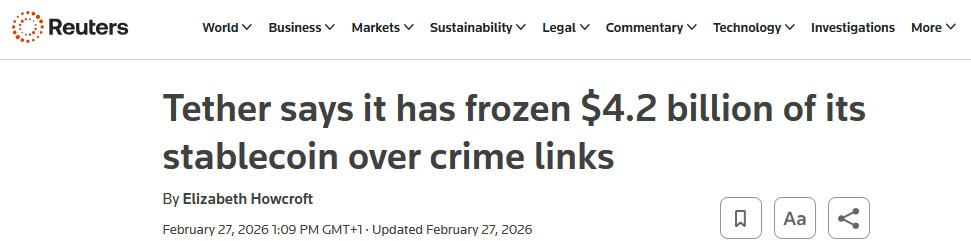
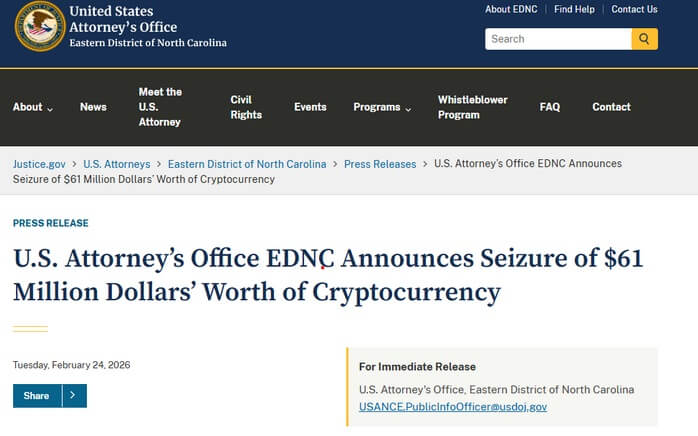
The company is able to blacklist wallet addresses directly on-chain at the request of law enforcement authorities. Notable examples include supporting the US Department of Justice in securing nearly $61 million in USDT linked to "pig butchering" fraud cases, and blocking approximately $544 million at the request of Turkish authorities.
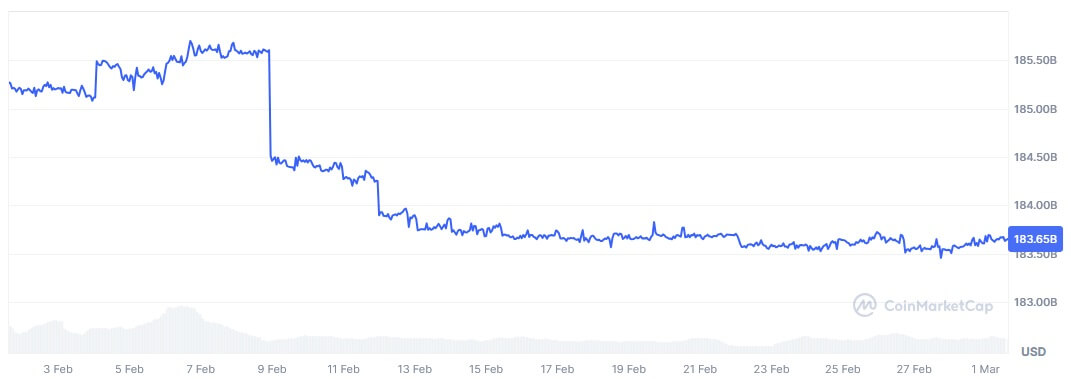
Meanwhile, USDT in circulation has declined in recent months — falling by around $1.5 billion in February, following a $1.2 billion drop in January. Tether attributes this to temporary distribution shifts rather than any softening of underlying demand.
The overall picture is of a sector undergoing structural maturation. Stablecoins are increasingly treated as financial infrastructure — complete with licensing requirements, institutional network integrations, and quasi-regulatory responsibilities such as fund freezing. This deepens their ties to the banking system, but it also increases their dependence on issuer decisions and jurisdiction-specific policy. The more stablecoins become embedded payment rails, the less "neutral" they appear in times of crisis or geopolitical tension.
 The EU is closing regulatory gaps
Europe is tightening its grip on crypto assets across several fronts simultaneously: tax transparency, leveraged derivatives, exchange compliance under MiCA, and against a backdrop of a deteriorating cybercrime landscape, an intensifying push for regulatory enforcement.
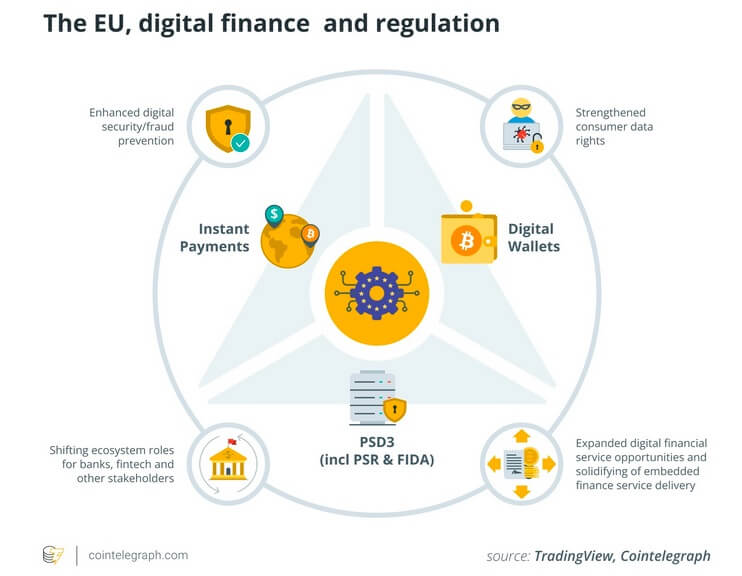
From January 1, 2026, DAC8 — the EU's new crypto reporting regime — has entered into force. The directive introduces no new taxes, but significantly expands data transparency obligations. Crypto-asset service providers (CASPs) are now required to collect user identity, tax residency, and transaction data in a standardized format, which will then be automatically shared between EU tax authorities. Modelled on the OECD's CARF standard, DAC8 is intended to close cross-border reporting gaps. Data collection has begun this year, with the first cross-border exchange of 2026 activity data scheduled for 2027.
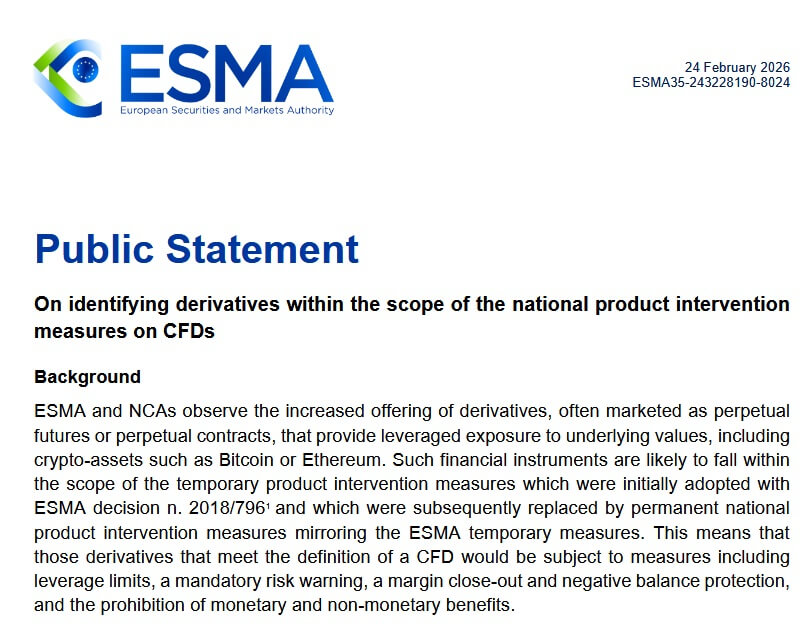
On the derivatives front, the European Securities and Markets Authority (ESMA) has weighed in on the risk profile of crypto-linked products: perpetual contracts and similar instruments tied to BTC or ETH may, in its view, qualify as contracts for difference (CFDs), triggering potential consequences including leverage restrictions, mandatory risk disclosures, margin close-out rules, negative balance protection, and a ban on inducements. The message is unambiguous: rebranding a product does not exempt it from CFD-style regulation if its economic substance falls within that framework.
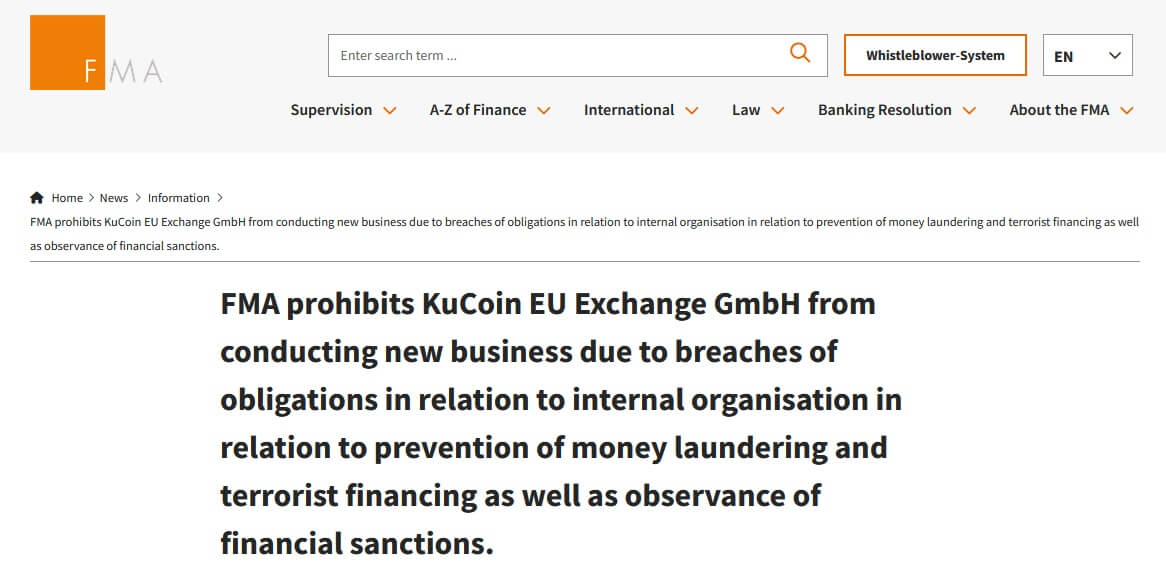
The KuCoin EU case in Austria illustrates how swiftly MiCA authorization can be curtailed in practice. Austria's Financial Market Authority (FMA) imposed a ban on KuCoin's business after key AML/CFT and sanctions compliance functions were found to be inadequately staffed following the departure of senior personnel. KuCoin stated it had already begun hiring replacements and had voluntarily suspended parts of its business, but the episode underscores how quickly regulators can act when governance or staffing gaps emerge, even for licensed operators.
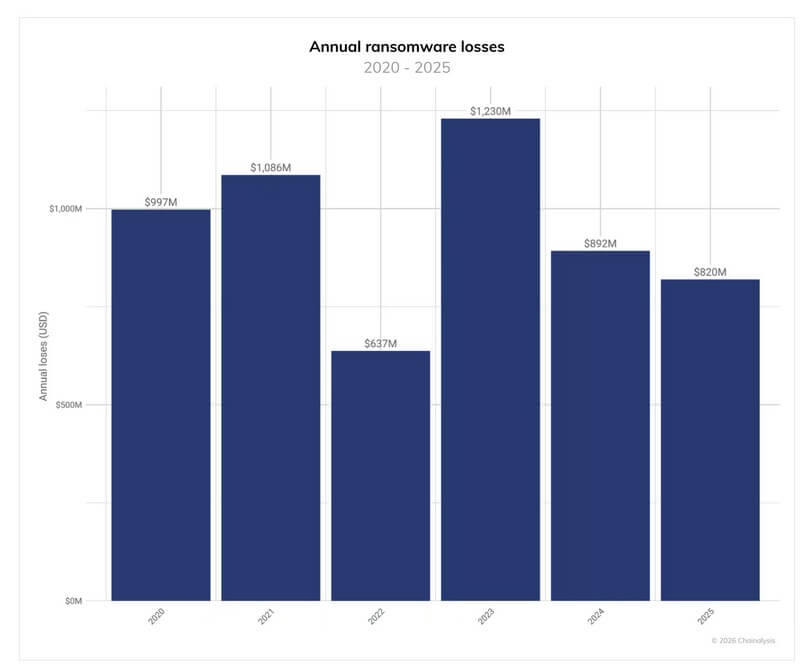
On the crime side, new data from Chainalysis reinforces the urgency for more measures. Ransomware attacks surged 50% to nearly 8,000 incidents in 2025, even as ransom payments dipped 8% year-on-year to $820 million. Chainalysis identifies a trend toward smaller and mid-sized targets, declining "access costs" on the dark web — from $1,427 at the start of 2023 to $439 at the start of 2026 — and the growing industrialization of attack methodologies through purpose-built toolkits and AI-assisted techniques.
Taken together, the EU's regulatory activity functions less as a single legislative package than as a coordinated system stress test: DAC8 makes on-chain activity visible to tax authorities; ESMA's derivatives guidance limits distribution and leverage risk; and supervisory interventions like the KuCoin case signal that operational resilience — staffing, processes, sanctions controls — is becoming the real competitive differentiator. In an environment of rising ransomware frequency, compliance is no longer merely mandatory; it is a structural cost that places smaller providers under increasing pressure.
🤿 The treasury companies are underwater
The second wave of institutional crypto adoption is exposing its vulnerabilities. Treasury firms, ETFs, and balance sheet strategies are inherently sensitive to price drawdowns, and the current environment may trigger a round of consolidation in 2026.
Strategy reached a symbolic milestone with its 100th Bitcoin purchase, adding 592 BTC for approximately $39.8 million. Total holdings now stand at 717,722 BTC, financed in part through an at-the-market (ATM) equity program that raised approximately $39.7 million in net proceeds from around 297,940 shares. Notably, Strategy continues to accumulate even though Bitcoin has been trading below the company's average cost basis of approximately $76,020 per BTC — a posture that reflects a long-term conviction strategy rather than any attempt at tactical price management.
Broader crypto treasury companies, however, are coming under pressure. According to BTCS Chief Strategy Officer Wojciech Kaszycki, M&A activity is expected to accelerate in 2026 as many firms trade below net asset value (NAV). The critical differentiator will be whether a company operates an active cash flow business — such as validator services or credit-like instruments — since that generates the financial firepower to absorb or acquire weaker, purely accumulation-based treasury vehicles. The next leg of growth, he suggests, will be driven primarily by the tokenization of public and private credit within the real-world asset (RWA) segment.
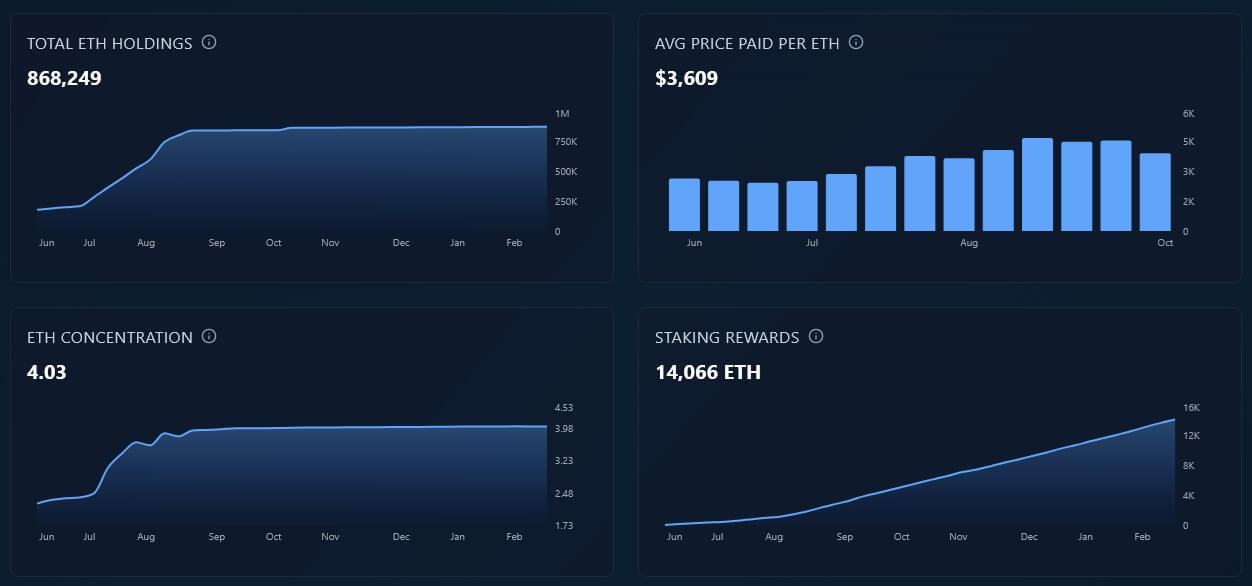
The risks are sharpest among ETH treasury firms. Available data and estimates suggest Bitmine Immersion is carrying very large unrealized losses, in some estimates as high as $8.8 billion, following ETH's roughly 60% decline over six months, which has pushed the token well below Bitmine's cost basis of approximately $3,843 per ETH. 10x Research identifies the zone around that cost basis as a critical inflection point: a test of whether ETH is suffering from cyclical weakness or a deeper, structural loss of market confidence. Despite the pressure, Bitmine has continued buying, most recently adding 45,749 ETH at an average price of $1,992 while Nansen data indicates "smart money" remains net short, even as whale accumulation and activity from new wallets are rising in parallel.
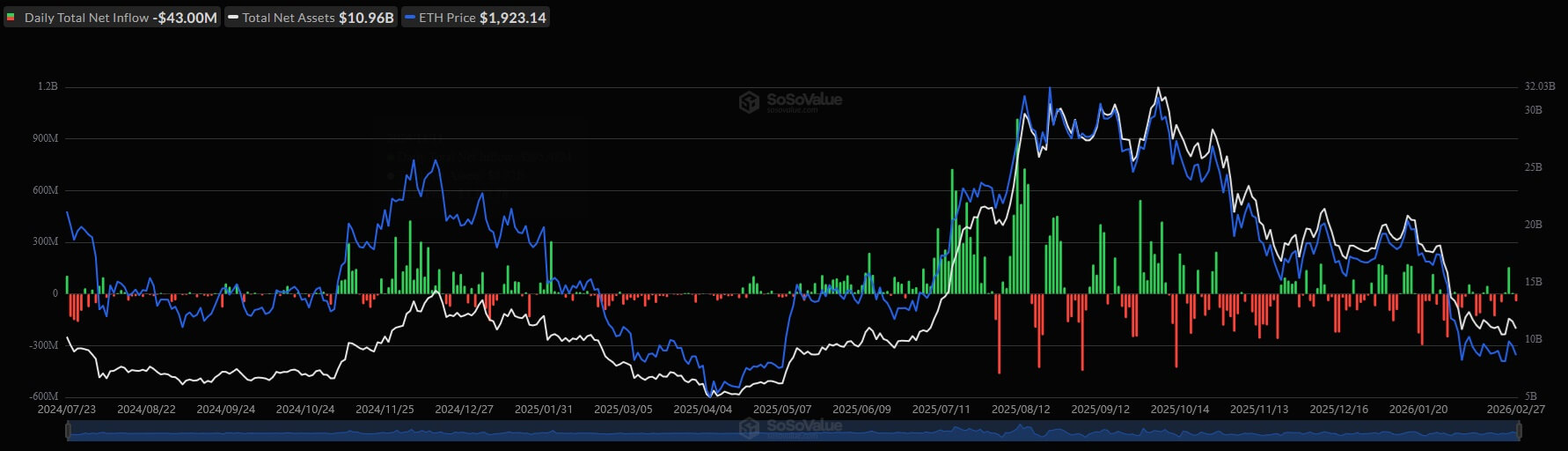
On the exchange-traded side, the picture is similarly cautious. According to SoSoValue, US spot Bitcoin ETFs recorded net outflows for five consecutive weeks, totaling roughly $3.8 billion, including a further $315.9 million in the most recent week. Sporadic days of inflows proved insufficient to reverse the weekly trend. While cumulative net inflows since launch remain substantial, the near-term signal is clear: institutional portfolios are reducing risk exposure in response to macro and geopolitical headwinds. Ethereum ETFs remained net negative over the same period.
In a bull market, the "treasury model" reads as a discipline story. In a drawdown, it becomes a capital structure problem. Strategy retains the capacity to accumulate through capital markets access; most smaller vehicles do not, and find themselves trapped below NAV — fertile ground for consolidation. Meanwhile, ETH illustrates how quickly a "treasury narrative" can unravel once a cost basis becomes a psychological ceiling and short sellers amplify the reflexivity of the move. In this context, ETFs are less evidence of institutional adoption than a real-time gauge of institutional risk appetite.