 9 minutes
🎆 Historic: Bitcoin hits 20 million coins, only 1 million left!
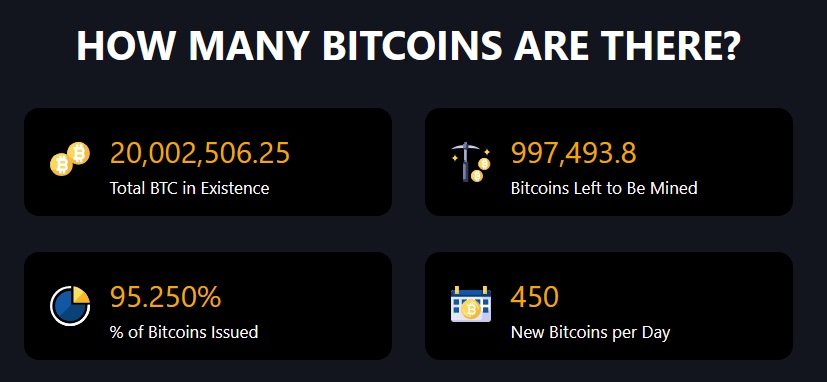
Last week the Bitcoin network has reached a historic milestone. With the creation of the 20-millionth bitcoin, approximately 95% of the maximum supply of 21 million BTC is now in circulation. Meanwhile, the Bitcoin price hovers between $70,000 and $73,000 as geopolitical tensions and macroeconomic uncertainties shape the markets.
Due to Bitcoin's fixed issuance model, only about one million coins will remain to be generated over the next century, until around 2140. Currently, an average of about 450 new Bitcoins are created each day, though this rate continues to decrease approximately every four years due to regular halvings.
Industry representatives emphasize and remind that this transparent and predictable monetary policy is a unique feature among digital assets, and any hard asset indeed.
Bitcoin is increasingly being viewed as a macroeconomic asset. Weak U.S. economic data, rising oil prices, and geopolitical tensions in the Middle East have recently bolstered demand for scarce assets. In this environment, Bitcoin briefly rose above $72,000 again, proving more resilient than many other risky investments.
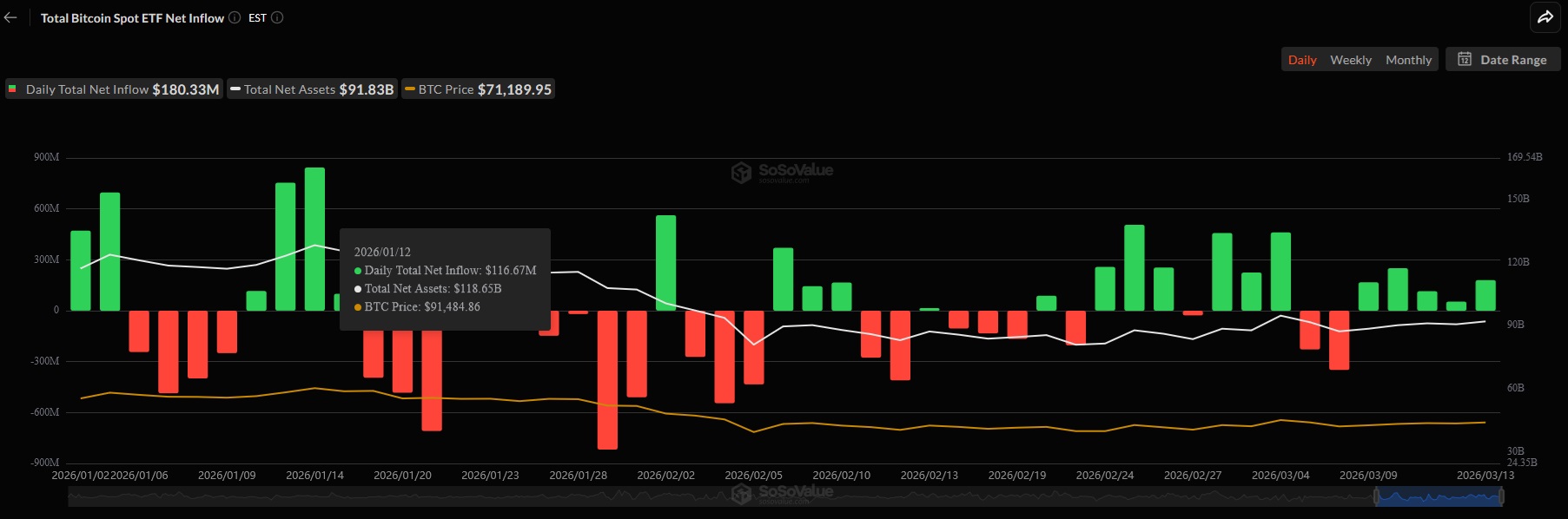
Institutional demand remains another key factor. U.S. spot Bitcoin ETFs recently recorded their first five-day streak of capital inflows in 2026, with a total of approximately $767 million in new investments this week. These products now manage approximately $91.8 billion in assets.
Despite these positive signs, many market analysts don't yet see a clear trend shift. The current price movement remains part of a correction that has continued for several months following the all-time high of $126,000 in October 2025, as we covered in our previous analysis of Bitcoin's 40% fall from its ATH. Furthermore, the strong correlation with technology stocks suggests that Bitcoin remains heavily dependent on global macroeconomic conditions in the short term.
In the long term, regulatory changes could inject new momentum. Discussions are currently underway within the Basel III capital rules framework to adjust the risk weighting for cryptocurrencies that banks must follow. Currently, they must apply a risk weighting of 1,250% to Bitcoin, making it practically impossible to include on a bank balance sheet. According to market observers, even a moderate adjustment to these rules could pave the way for significantly more institutional capital.
💡 The milestone of 20 million bitcoins highlights the network's structural scarcity. In the short term, however, macroeconomic data, liquidity, and institutional capital flows will continue driving price movements. The key question for the coming years is less about supply, which has long been known, and more about whether regulatory changes and institutional demand will integrate Bitcoin more deeply into the traditional financial system.
🤔 Ethereum's adoption paradox: network growth outpaces price
Ethereum is currently presenting an unusual picture. While network usage is reaching new highs across multiple metrics, the price of Ether remains well below previous peaks. This creates an "adoption paradox" where rising activity hasn't automatically translated into increased demand for the blockchain's native asset.
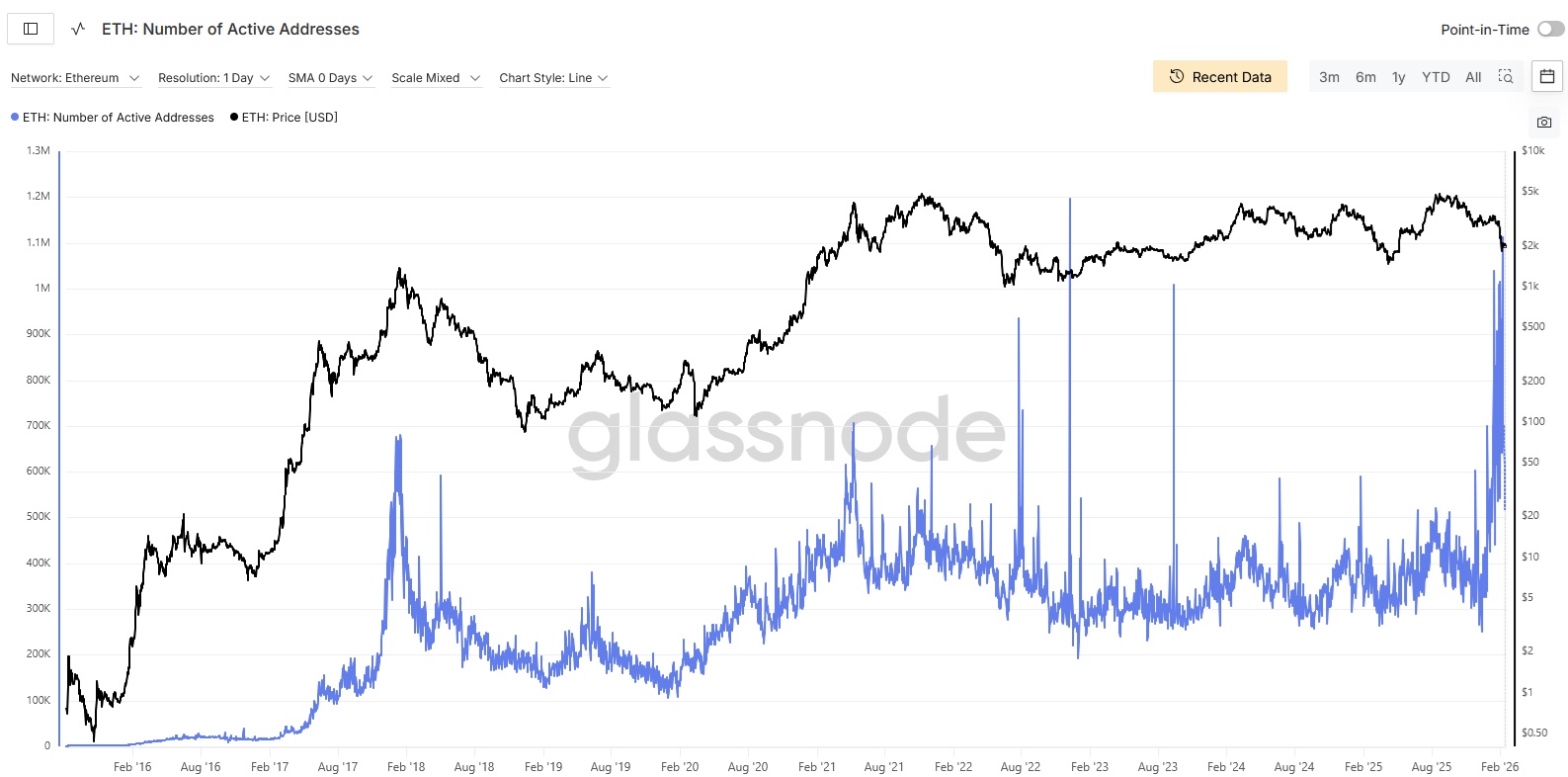
According to CryptoQuant, active Ethereum addresses rose to over 1.1 million in February, more than double the number from the previous year. Token transfers and smart contract interactions also reached record highs, driven by DeFi, stablecoins, automated protocols, and Layer 2 applications. However, ETH remains nearly 60% below its all-time high, which analysts say suggests that price is currently driven more by capital flows than by network usage itself. The annualized change in realized capitalization has also turned negative, signaling that capital is flowing out of Ether.
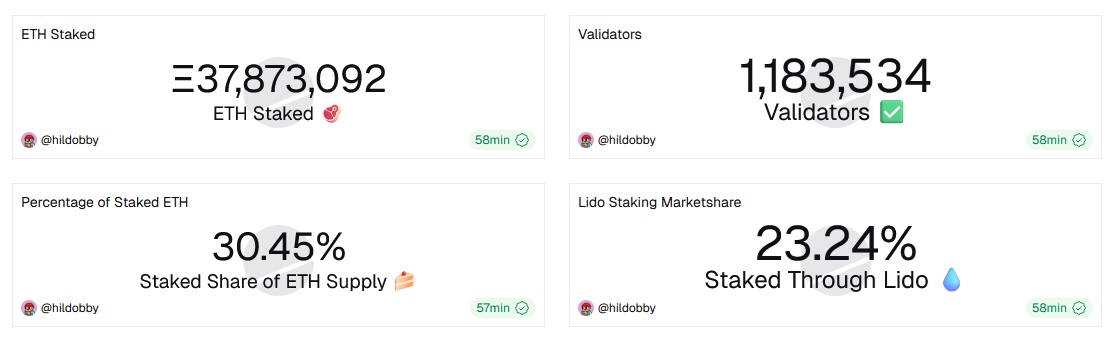
Meanwhile, evidence of structural build-up is mounting. The amount of ETH in accumulation wallets (addresses with no transaction history) has risen by 6.5 million ETH, or 32%, to 26.55 million ETH since the start of the year. In parallel, the staked supply reached a new all-time high of 37.85 million ETH, now accounting for more than 30% of the total supply. Combined with the recent sharp decline in exchange reserves, this points to a shrinking freely tradable supply. Should demand pick up, this scarcity could amplify price movements.
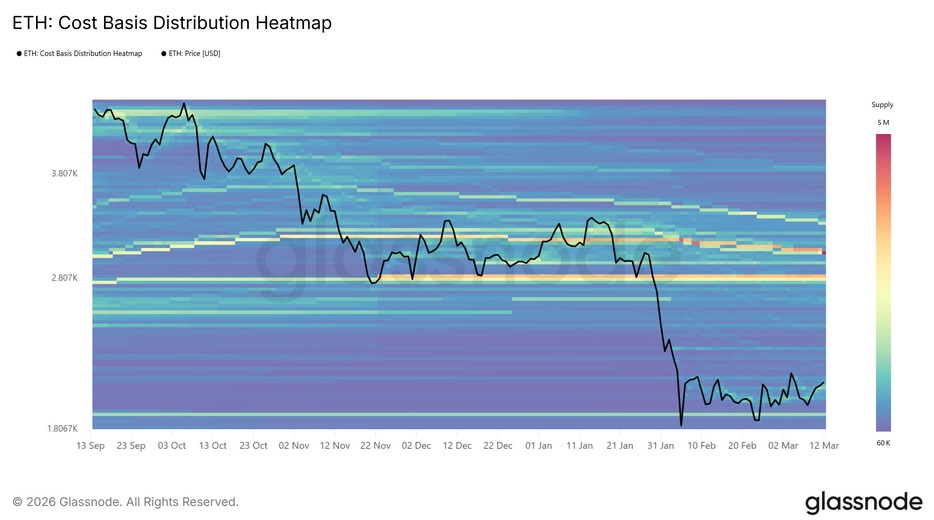
Technically, the $2,100 to $2,200 price range remains the key test. Several analysts see this as critical resistance; breaking through could pave the way for a move toward $2,600 to $2,800 per ETH.
On-chain data partially supports this scenario. Glassnode identifies a large cost basis zone at $2,800, where more than 3 million ETH were previously accumulated. However, the futures market remains cautious. After open interest initially rose significantly during the recent rally, it fell back after testing the upper range. This suggests caution among leveraged market participants and raises doubts about a confirmed breakout.
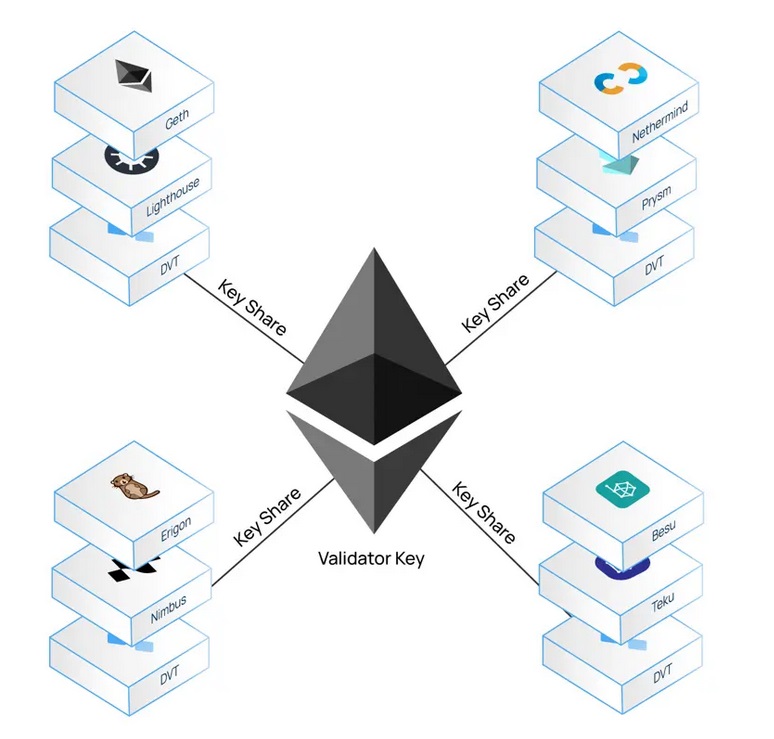
Ethereum is also working on its next phase of development at the protocol level. As we previously covered in our analysis of Ethereum's roadmap acceleration, Vitalik Buterin announced that in February, the Ethereum Foundation had already contributed 72,000 ETH to the staking process using a simplified form of distributed validator technology ("DVT-lite"). The goal is to make institutional staking so simple that it will essentially work with a single click.
At the same time, the Ethereum Foundation published a new mandate redefining its role: in the long term, Ethereum is to become so decentralized and robust that the network could continue functioning even if the Foundation were to disappear one day.
💡 Ethereum is currently exhibiting a rare combination: strong operational performance coupled with weak price action. This suggests the market doesn't currently view network usage as sufficient price driver without capital inflows. That's precisely why accumulation, staking, and declining exchange reserves matter so much: they could lay the groundwork for a significantly more dynamic revaluation down the line.
📈 Tokenized stocks reach $1 billion with 2,900% growth
The market for tokenized stocks has surpassed $1 billion in on-chain value for the first time, marking another milestone for the rapidly growing real-world assets (RWA) sector. Data from rwa.xyz shows the sector has grown approximately 2,900% over the past year.
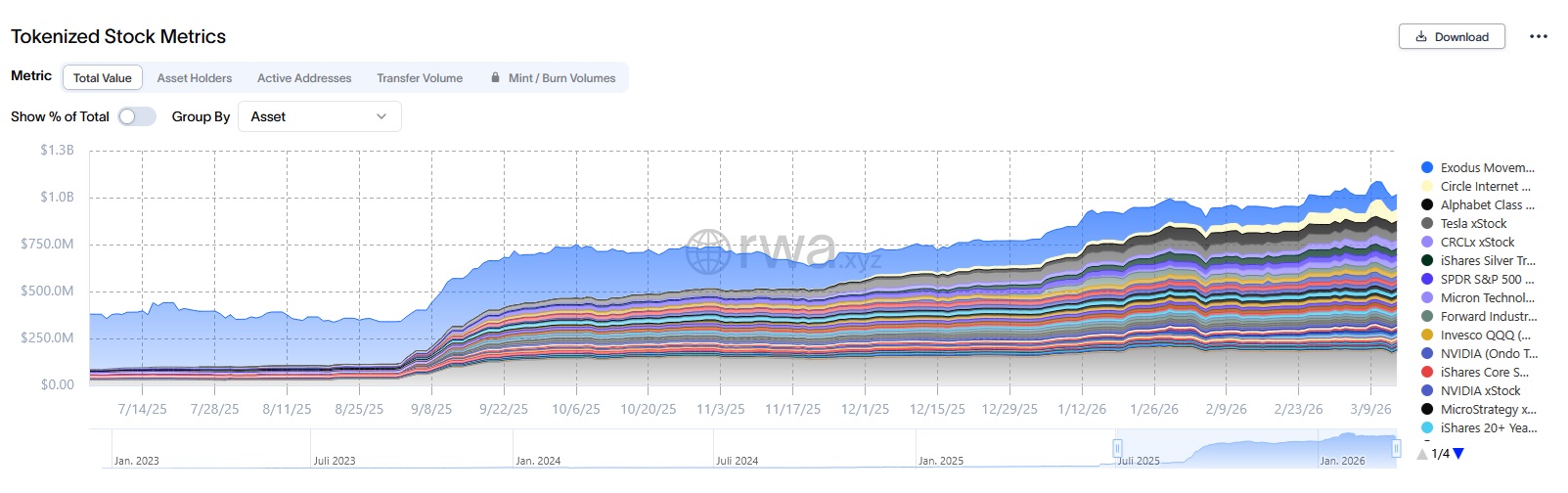
The market remains highly concentrated among a few providers. Ondo Finance holds approximately 58% of market share, while the xStocks platform accounts for about 24%. Analysts view this as typical early-stage market structure, heavily influenced by regulatory requirements, liquidity infrastructure, and various tokenization models.
The broader RWA market continues its growth trajectory. Tokenized assets other than stablecoins are now worth approximately $26 billion, with tokenized U.S. Treasury bonds alone accounting for over $11 billion. More than $2.5 billion in trading volume for tokenized stocks and ETFs has already been processed through DeFi integrations, including aggregator 1inch.
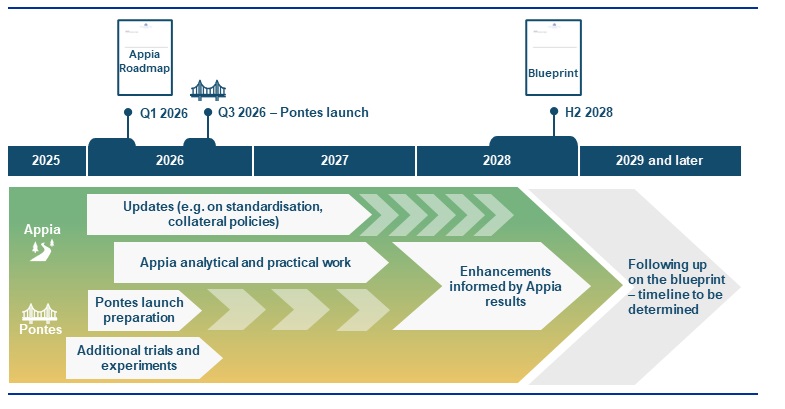
Meanwhile, the European Central Bank is building infrastructure for tokenized financial markets. The Appia project aims to create a long-term European ecosystem for tokenized assets. A key component is the Pontes system, designed to enable transaction settlement using central bank money on distributed ledger networks starting in 2026.
💡 Tokenized securities are becoming the bridge between DeFi and traditional finance. While private platforms create the first market leaders, central banks simultaneously build the foundation for regulated tokenized markets.
🚀 USDC nears record high amid Middle East adoption surge
Stablecoins are increasingly becoming key infrastructure for international capital flows and digital payment transactions. This trend is particularly evident with the US dollar-pegged stablecoin USDC, whose market capitalization has risen to approximately $79.2 billion according to CoinMarketCap, putting it close to a new all-time high.
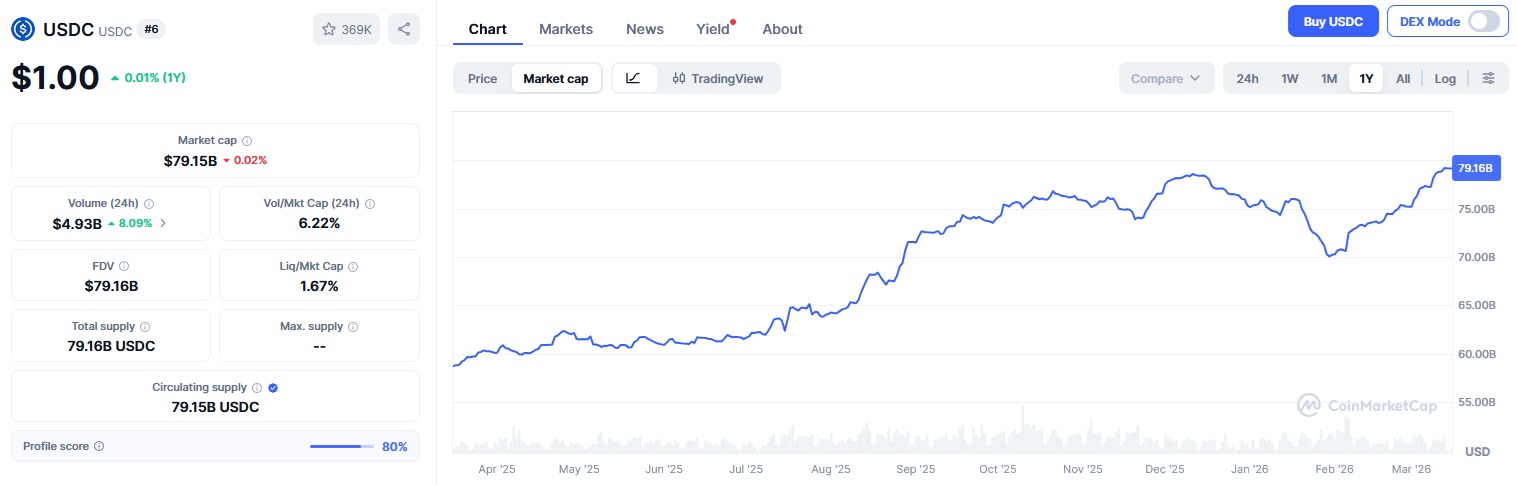
Some of the demand appears to be coming from the Middle East. Market observers report strong demand for USDC via over-the-counter trading platforms in Dubai. This may be due to turbulence in the local real estate market.
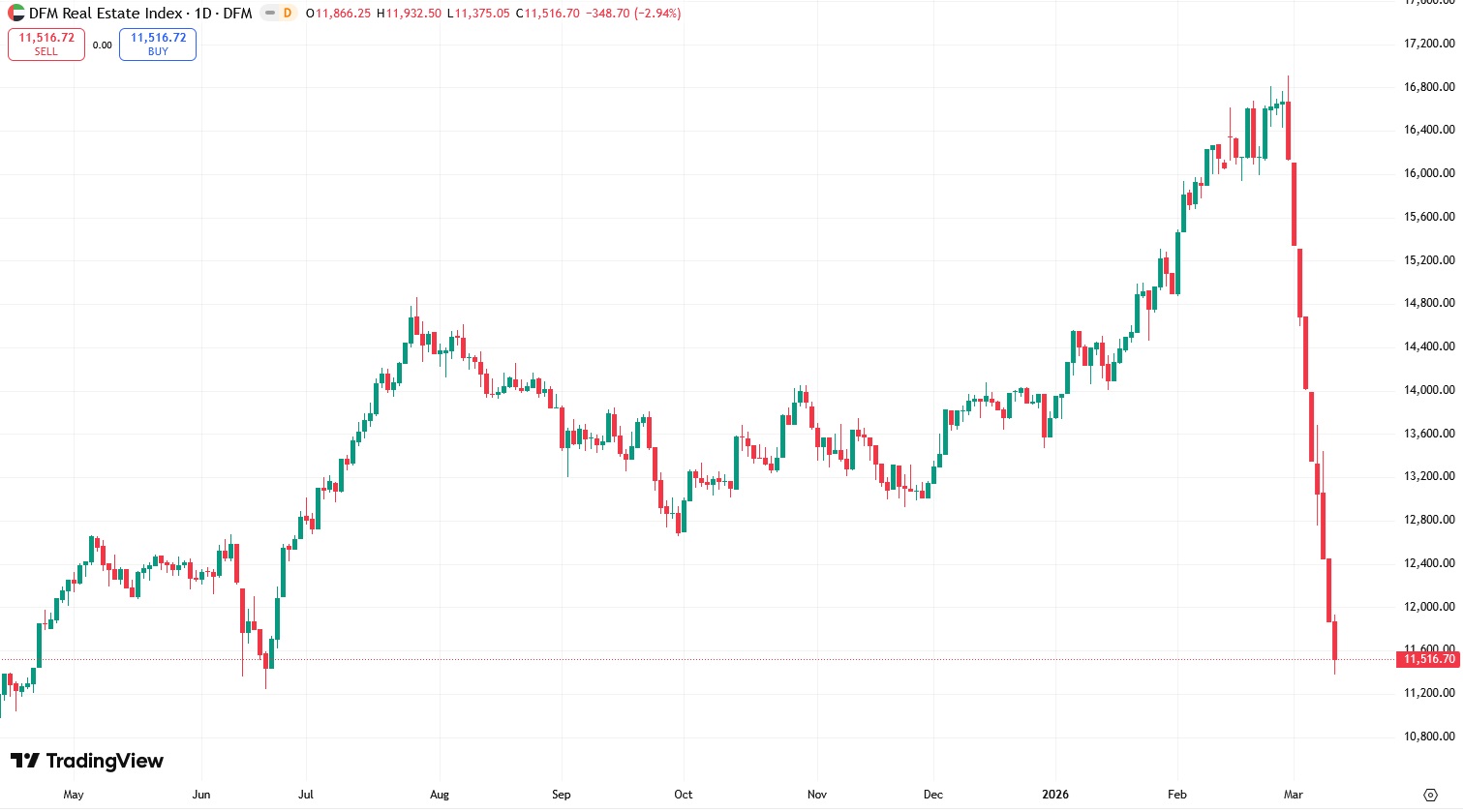
The Dubai Real Estate Index has recently fallen by about 31%. According to analysts, some investors are pulling capital out of traditional investments and shifting it into digital assets. In some cases, real estate listings are reportedly already offering discounts to buyers who pay with cryptocurrencies.
The balance of power is also shifting in stablecoin usage. According to an analysis by investment bank Mizuho, USDC has surpassed Tether (USDT) in adjusted transaction volume for the first time since 2019, building on the stablecoin dynamics we analyzed recently. Since the beginning of the year, approximately $2.2 trillion has been transferred via USDC, compared to around $1.3 trillion via USDT. Despite this shift in activity, USDT remains the largest stablecoin with a market capitalization of approximately $184 billion.

Meanwhile, stablecoins are becoming increasingly important for global payments. Investor Stanley Druckenmiller expects that blockchain-based payment systems could replace large parts of the international payment infrastructure within 10 to 15 years. He notes that stablecoins are faster, cheaper, and more efficient than traditional bank transfers.

The technical infrastructure surrounding stablecoins continues to evolve. For example, Tether, the issuer of USDT, is participating in a $5.2 million funding round for Ark Labs, a company developing a programmable execution layer for Bitcoin. The goal is to enable stablecoins to be issued and transferred more efficiently directly on the Bitcoin network in the future.
💡 Stablecoins are evolving from a purely crypto-trading instrument into a global liquidity and payment network. While investors are already using them for fast capital transfers, companies are simultaneously building new infrastructure even on the traditionally conservative Bitcoin network.
🐞 Oracle glitch triggers $27M in Aave liquidations
A technical glitch in the DeFi lending protocol Aave recently triggered approximately $27 million in liquidations that shouldn't have happened. The issue stemmed from a misconfiguration in the CAPO Oracle system, which is used to value collateral. As a result, the exchange rate for wstETH was temporarily calculated at approximately 2.85% below the actual market price, causing positions near the liquidation threshold to be automatically liquidated.
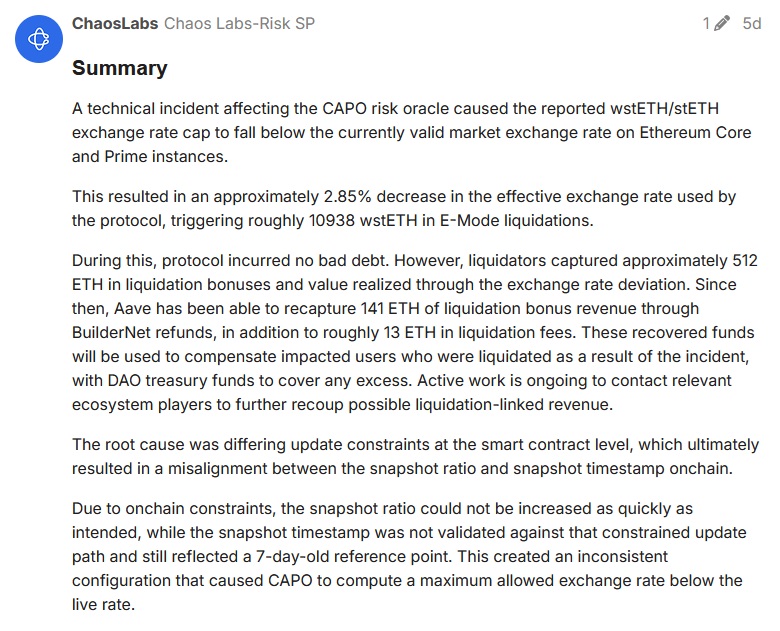
A total of approximately 10,938 wstETH were liquidated. While the protocol itself didn't incur any bad debt, liquidators generated approximately 499 ETH in additional profits. Aave announced it would partially compensate affected users through refunds of liquidation fees and funds from the DAO treasury.
The incident comes amid internal tensions within the Aave ecosystem. Founder Stani Kulechov recently explained that many Decentralized Autonomous Organizations (DAOs) are difficult to operate efficiently in their current form. Decision-making processes are often blocked by political dynamics, low participation, and lengthy voting procedures. Moving forward, token holders should continue deciding on key issues, while operational decisions should be handled more by the responsible teams.
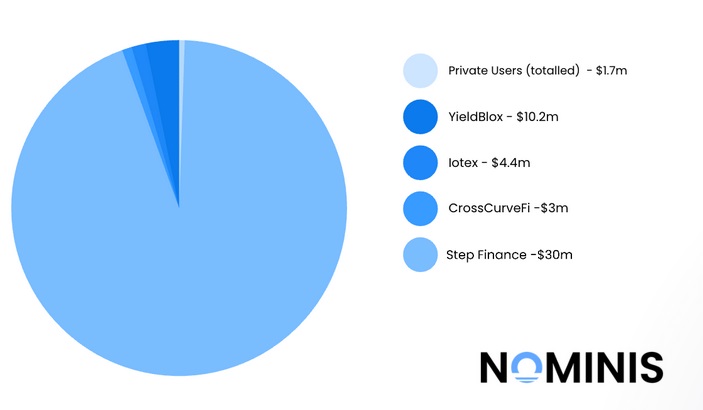
Meanwhile, new security data paints a mixed picture for the industry. According to a Nominis report, crypto hacks dropped significantly in February, causing approximately $49 million in losses compared to $385 million in January. However, attackers are increasingly shifting tactics toward phishing and wallet authorizations, where users unknowingly approve malicious transactions. This highlights the importance of safety in crypto and protecting your wallet.
💡 The Aave incident highlights a structural tension within the DeFi sector. While technical infrastructure grows more complex, governance models and security mechanisms remain challenging. The industry's long-term stability depends not only on code quality but also on effective decision-making structures.